Why Do People Like Shuffleboard at Breweries?
Shuffleboard has become a staple at many craft breweries and taprooms across the country. For newcomers and regulars alike, it offers an inviting way to pass the time, engage with friends, and break up the evening in a social, low-pressure setting. But beyond its simple appeal, why is shuffleboard so popular in these environments? As a former taproom manager and current nightlife reviewer, I've observed shuffleboard’s role firsthand—from how it shapes social dynamics to how it fits alongside smartphones and other entertainment options.
Taprooms as Social Destinations
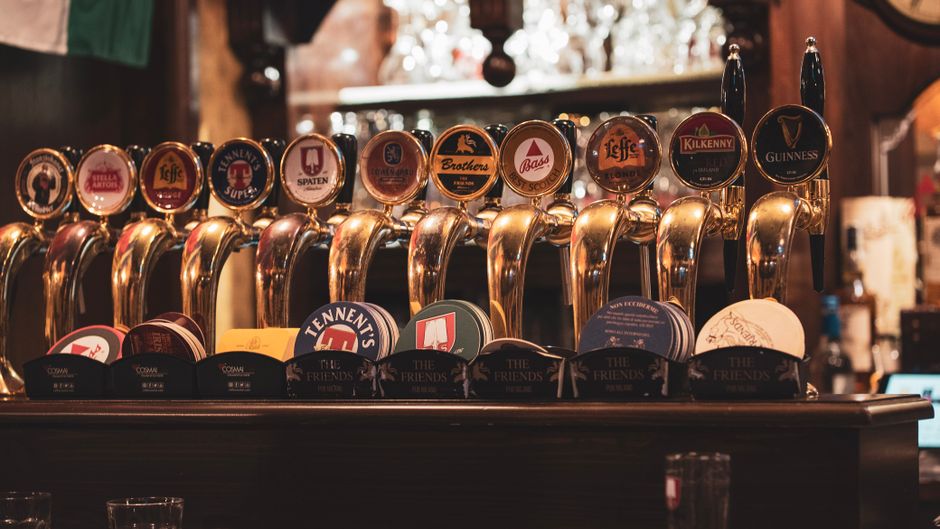
Craft breweries are no longer just about the beer—they're social hubs. Many taprooms put thoughtful effort into crafting a welcoming atmosphere where diverse groups can gather. Seating layouts often reflect this priority, with communal tables, lounge areas, and corners dedicated to games like shuffleboard. These spaces invite interaction without pressure.
Shuffleboard serves as an easy group game that naturally encourages connection. Unlike noisy trivia or loud weekend bands, shuffleboard provides low noise levels, which means people can chat while playing—or watch comfortably without feeling overwhelmed. For many, it's part of the overall “taproom experience” that balances engaging activities with relaxed socializing.
How Shuffleboard Compliments the Brewery Environment
- Space-efficient: Shuffleboard tables fit well in the social spaces breweries design, often alongside picnic tables or bar seating.
- Easy to learn: Newcomers can join in quickly without needing instructions or special skills.
- Low pressure: Games are short and informal, so players feel no need to “perform” or commit heavily.
Events as Repeat-Visit Drivers
Many breweries rely on events to bring customers back week after week. Trivia nights, food trucks, and live music fill specific evenings with energy, but these can sometimes be overly loud or competitive, which may exclude some patrons. In contrast, shuffleboard offers a persistent, accessible activity that is available every night, subtly encouraging repeat visits without the demand of structured scheduling.
Unlike events with debit card mobile payment fixed start times or entry fees, shuffleboard is a built-in activity inside the taproom. It lowers the activation barrier to staying longer and ordering more. Taprooms that maintain well-kept shuffleboard tables signal that https://smoothdecorator.com/is-it-bad-if-a-bar-has-nothing-to-do-but-drink/ they value a relaxed, hangout-friendly vibe, which encourages customers to carve out “their spot” in the brewery for casual nights.
Scheduling and Consistency
Event Type Frequency Noise Level Customer Commitment Trivia Night Weekly or biweekly Moderate to loud High (team formation, answer time) Live Music Weekend or select evenings High Medium (attentiveness) Shuffleboard Available daily Low Low (drop in/out anytime)Analog Games as Social Glue
Shuffleboard thrives as a straightforward analog game in a world increasingly dominated by screens. Unlike digital games, it offers tactile, face-to-face interaction that fosters genuine connection without the distraction of looking down at a device for long stretches. This is particularly welcomed in nightspots where the goal is socializing rather than isolation.
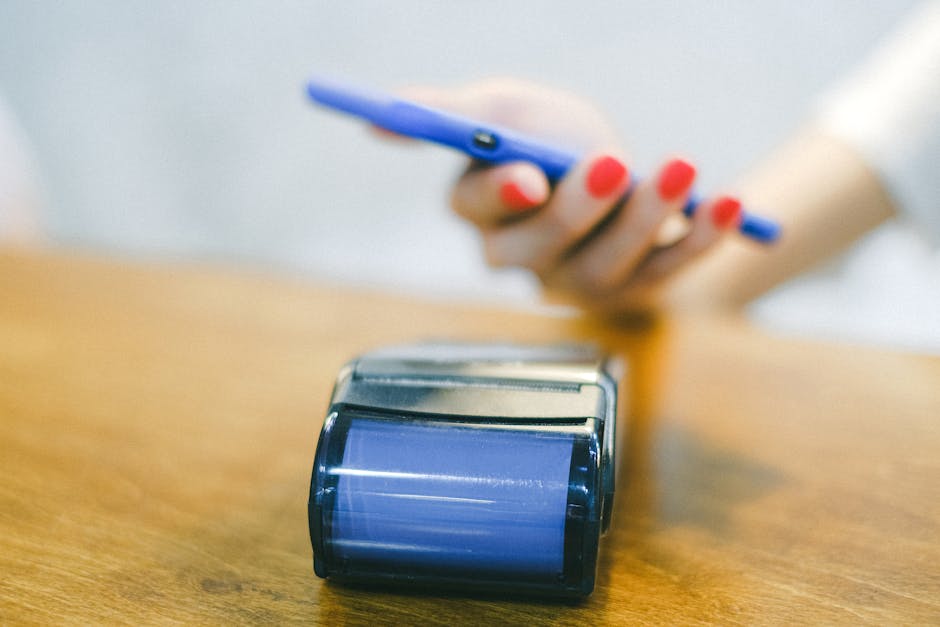
While phones remain present and useful, shuffleboard occupies a different role as a social glue that encourages ongoing dialogue. It’s a background activity that sparks playful competition and shared stories. The simplicity of shuffleboard lowers social friction, helping groups to gel naturally whether they’re coworkers, longtime friends, or new acquaintances.
Why Analog Matters in a Smartphone Era
- Physical engagement: Flicking and aiming shuffleboard disks provides a satisfying sensory experience.
- Real-time interaction: Players react to shots and banter spontaneously.
- Inclusive pacing: The slower game tempo suits drinking and conversation rhythms.
Smartphones as Downtime Entertainment
It's worth noting that smartphones have not been displaced but integrated into the taproom nightlife ecosystem. Devices enable quick catch-ups on social media, group text coordination, and even mobile deposit casino gaming apps, catering to those moments when people want a break from interaction or need to kill time between rounds. Brewery patrons appreciate that shuffleboard offers an alternative when they’d prefer to limit screen time without the evening feeling empty.
In fact, shuffleboard and smartphones coexist as complementary forms of entertainment: phones fill downtime quickly, while shuffleboard anchors more immersive social engagement.
Balancing Smartphones and Taproom Activities
- Phone use is natural: Rather than viewing phones as the “enemy,” many taprooms encourage their use as part of the social flow.
- Shuffleboard offers contrast: It invites people to look up, interact face-to-face, and enjoy tactile skill.
- Mobile apps enhance visits: Some breweries promote apps for drink menus, loyalty programs, and casual games to augment in-person time.
Summary: Shuffleboard’s Appeal in the Taproom
- It’s an easy group game: Simple rules and quick rounds mean anyone can join without pressure.
- Fosters low-pressure competition: Encourages friendly rivalry without tension or formality.
- Supports ongoing socializing: Noise levels stay manageable, allowing conversation to flow.
- Consistent activity driver: Always available and appealing, driving repeat visits.
- Balances smartphone use: Offers a tactile, analog counterpoint to screen time.
Whether you’re looking for a casual distraction or an engaging group activity, shuffleboard fits perfectly within the evolving role of craft breweries as social destinations. It helps blend analog play, smartphone convenience, and beer culture into a seamless nightlife experience.