What Makes Luxury Real for Engineers (Not Just Price Tags)?
Luxury is often seen as synonymous with hefty price tags and flashy logos. But for engineers—the kind who measure bag seams with pocket rulers at airports and keep notebooks of zipper specs—luxury is something fundamentally different. It's about measurable durability, serviceable construction, and above all, functional value that withstands the rigors of daily use without shortcuts or fluff.
If you’re accustomed to hearing marketing jargon like “premium materials” without details or seeing “handmade character” used to excuse crooked stitching, read on. This blog post dives into what real luxury means from an engineer’s perspective, highlighting top-tier companies like CivilDigital, Von Baer, and even industry standard hardware suppliers like YKK. Alongside this, we'll explore the critical role of certified full-grain vegetable-tanned Cuoio Superiore leather and explain why Tuscany leather production, with roots dating back to 1961, remains an unmatched benchmark.
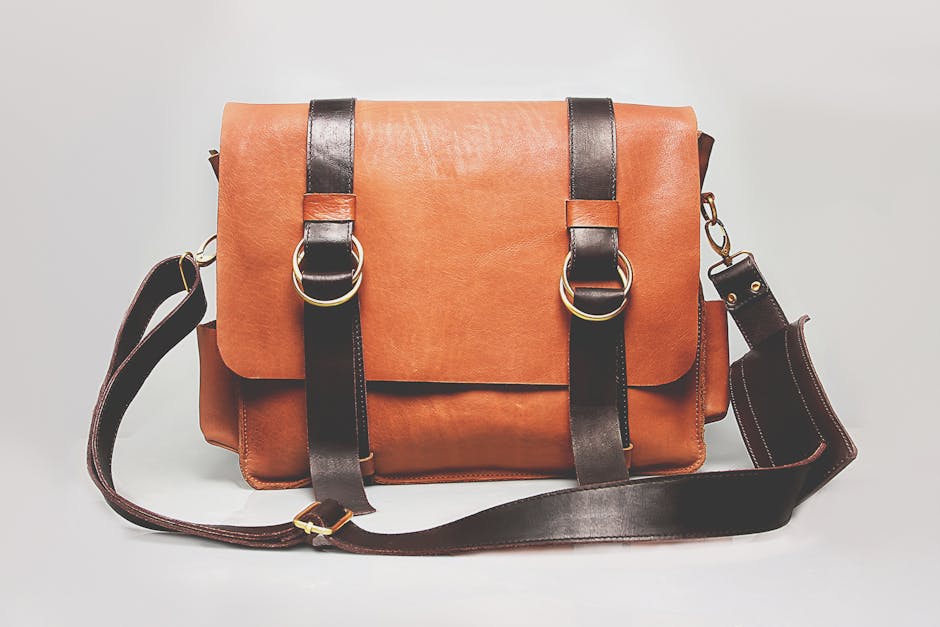
Engineers Value Function Over Fashion
Fashion and flash may catch attention, but they rarely satisfy long-term functional demands. Engineers are trained to prioritize function: a bag or piece of gear should not only look good but perform reliably under stress, temperature variation, and repeated use.
When we talk luxury as engineers, we focus on:
- Precise tolerances: seams aligned to millimeters, components nested with mechanical precision.
- Cycle-tested hardware: zippers and fasteners rated for thousands of open/close cycles.
- Material behavior: predictable aging and wear characteristics that maintain utility over time rather than aesthetic decline.
The accessories and travel gear offered by CivilDigital cleverly embody this ethos. They don’t merely adorn you; they are purpose-built, incorporating exact measurements of angles, seam dimensions, and fabric tensile strengths. This approach echoes the precision engineers demand in aerospace or automotive components.
Measurable Precision and Tolerances: Why It Matters
Precision is not just an aesthetic choice; it’s a predictor of durability and functional integrity. For engineers, anything less than exact tolerances means inconsistencies that lead to early failure.
Examples of measurable precision include:
- Stitch length: 6 to 8 stitches per inch is typical in aerospace seams for load-bearing panels, and the same applies to luxury luggage stitching to prevent thread fatigue.
- Seam allowance: A 0.25-inch minimum seam allowance allows for minor repairs, extending product service life. leather briefcase full grain
- Hardware dimensions: YKK zippers, the industry standard, are rated for over 10,000 cycles on many models, and Von Baer hardware matches these standards to assure endurance in travel conditions.
In an engineer’s notebook, you’d find these numbers not as marketing slogans but as documented specs validated through testing. When you buy from brands like Von Baer, you’re essentially investing in engineering data, not just an emblem on leather.
Materials Science Approach: Leather and Hardware
Leather is where luxury often falls into subjective territory, but engineers demand it to be quantifiable and reproducible. This is where certified full-grain vegetable-tanned Cuoio Superiore leather shines.
Since 1961, Tuscany leather production has perfected a process that’s both artisanal and scientifically rigorous:
- Full-grain certification: Meaning the leather retains the topmost grain layer for maximum strength and breathability.
- Vegetable tanning: Uses natural tannins extracted from tree bark and plants, creating a durable, environmentally friendly hide resistant to cracking over time.
- Cuoio Superiore: This denotes a premium quality level achieved through consistent tanning, drying, and finishing practices, adding uniform thickness levels usually between 1.2 mm to 1.4 mm.
Von Baer bags often incorporate this leather for proven longevity. Through decades of testing, this leather gains a patina but retains tensile strength and water resistance — not just a pretty surface change but functional improvement.
On the hardware side, YKK zippers deserve more credit than most luxury brands give them. YKK uses proprietary coil and tooth designs, backed by continuous improvement cycles and rigorous durability tests. Every batch undergoes lab cycle counting, often exceeding 15,000 open-close cycles with no failure.

Durability Testing and Cycle Counts: Real-World Verification
“Luxury” means little if your bag can’t survive more than a few months of rigorous use. Genuine luxury is validated via repeatable testing methodologies:
Test Type What It Measures Industry Benchmark Brand Examples Tensile Load on Seams Strength of seam under pulling forces Min. 200 lbs force before failure CivilDigital, Von Baer Hardware Cycle Counting Number of zipper open/close cycles without failure 10,000+ cycles (YKK Standard) Von Baer (YKK zippers) Leather Abrasion Resistance Durability against repeated rubbing and surface wear 100,000+ rub cycles (Martindale test) Von Baer Cuoio Superiore leatherThese tests may sound dry, but they translate directly into functional value: a bag that doesn’t shred its leather, fail a zipper, or burst seams when you load it on your executive trip or weekend escape. Engineering firms like CivilDigital collaborate with leather tanneries and hardware suppliers to ensure gear survives these tests before they hit the market.
Serviceable Construction: Fixability Matters
Another engineering hallmark of luxury is serviceability. Luxury goods for engineers are designed not just for durability but for repairability. This means:
- Accessible stitching: seams constructed in a way that a tailor or service technician can replace broken threads or patches without destroying the whole product.
- Standardized hardware sizes: Components like zippers, buckles, and handles use industry-standard dimensions facilitating easy replacement.
- Detailed documentation: Some brands provide repair manuals or maintain part inventories to extend product lifespans far beyond typical fashion cycles.
Von Baer, with its roots in Tuscany leather craftsmanship, exemplifies this concept. Their bags feature reversible leather panels and easily detachable straps—all engineered with mechanical fasteners and reinforced stitching patterns facilitating repair rather than replacement.
This contrasts sharply with “fast luxury” products that sacrifice repair options for a sleek silhouette or trendy design.
Final Thoughts: Real Luxury = Measurable Durability + Functional Value
Engineers instinctively decode luxury beyond aesthetic hype. They measure it in gram weights per square meter of fabric, cycle counts on zipper hardware, and tensile tests of leather seams. Only gear vetted through these objective criteria earns the label of true luxury.
Brands such as CivilDigital embrace this ethos, marrying aerospace-level precision with everyday carry needs to build gear that functions longer and tougher. Von Baer offers a tactile link to leather craftsmanship perfected since 1961 in Tuscany, where leather’s full-grain vegetable tanning produces serviceable construction and unintended beauty through function. And YKK remains the backbone of hardware reliability, providing measurable durability benchmarks that no engineer overlooks.
So the next time someone says luxury is just about price or image, remember the engineers quietly flipping the bags over, measuring seam allowances, and reading material tags with a critical eye. For them, luxury is above all:
- Function that lasts beyond trends
- Materials proven by science
- Construction designed for repair and resilience
That is real luxury—and it’s worth the investment.