What Is a Good “Last Game” Rule So Everyone Leaves at a Decent Time?
A good last-game rule is simple, announced before anyone starts playing, and based on the time the gathering should end—not on whether the current game happens to be exciting. My version is: set a hard stop time, make a clear last round call about an hour before it, and choose a final game that can actually finish before people need to head home.
That sounds obvious, but plenty of hosts have watched “one quick game” turn into a midnight negotiation. The trick is to make the plan feel like part of the evening rather than a surprise punishment. A friendly announce stop time, a sensible game lineup, and a little room setup can help everyone avoid late nights—including the host.
Start with a stop time, not a guess
Before the first beer is opened, decide when the gathering ends. Not when you might start thinking about wrapping up. Not “around ten-ish.” Pick a real time that suits your household and your guests: 9:30 p.m. on a school night, perhaps, or 11:00 p.m. for a weekend watch party.
Then tell people early, in a relaxed way. Put it in the invitation, say it when guests arrive, or both: “I’m glad you’re here. We’ll play until 10, and I’ll call the last game around 9.” That lets people plan rides, bedtime, and the next day without feeling as if they’re being hustled out the door.
I also recommend setting a hard stop time before the first beer is opened. Once the table is lively and everyone is settled in, it is much harder to introduce a new boundary. A clear plan is kinder than a host quietly resenting the clock while everyone else assumes the night is still wide open.
A useful last-game formula
Work backward from your stop time. If guests should be heading out at 10:00, aim to call the last game around 9:00. The extra hour allows for a game that runs long, scoring, one final snack, and the slower process of coats, goodbyes, and locating that one missing phone.
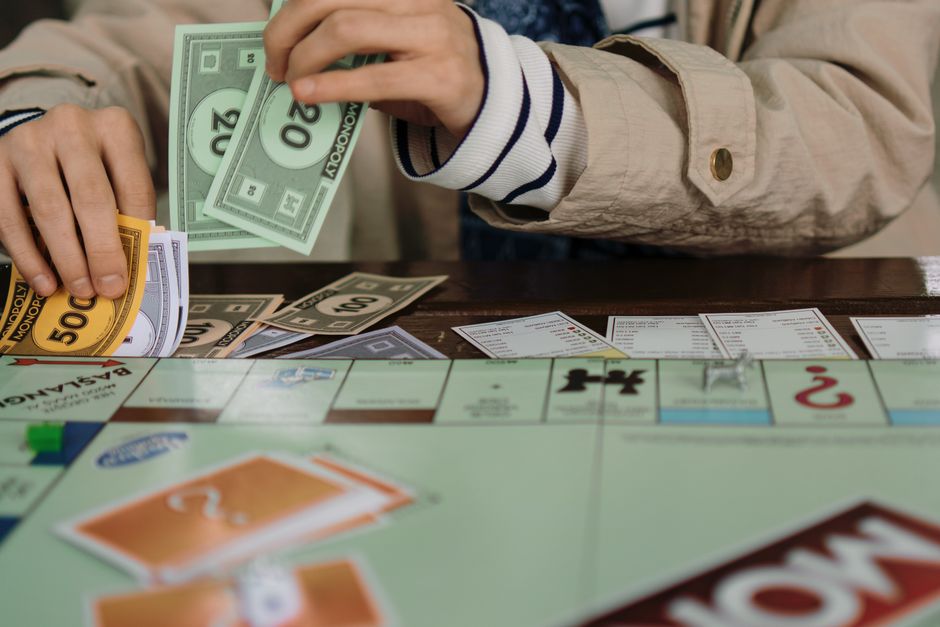
- Choose the stop time: Set the time you want the room to be winding down.
- Allow for the goodbye window: Give people 15–30 minutes to finish up and leave comfortably.
- Call the last game: Pick a start time based on the game’s realistic length, not its best-case estimate.
- Keep the boundary: Don’t add another full game after the last one just because someone asks.
If your guests are close friends or family, you can make the call with warmth and humor: “This is the last game, folks. I like you, and I also like sleeping.” A cheerful, consistent rule is easier to follow than a vague hint that you are tired.
Use football as a built-in schedule
Football gives a gathering a natural rhythm: kickoff, halftime, the second half, and the final whistle. You don’t have to force the evening into a strict timetable when the game on TV is already creating one. Instead, use those transitions to decide when to eat, play, and wind down.
For example, you might serve food before kickoff, play a short game during halftime, and make the second half the final shared activity. If the game is close late in the fourth quarter, let the broadcast be the last event rather than proposing a new board game once it ends. Tell guests the plan upfront: “We’ll watch through the game, and we’re wrapping up after the final whistle.”
For a board game night happening alongside football, don’t choose a strategy game that needs an uninterrupted two-hour block while everyone is checking the score. Try a short party game at halftime or a game that allows easy breaks. A built-in schedule works only if the game selection fits it.
Don’t let overtime write the whole evening
Football can run long, especially when there are reviews, injuries, or overtime. Decide in advance whether your stop time means “the broadcast ends” or “the visit ends.” Those are not always the same thing. If you need guests out by 10, say so, even if the game might continue. People can keep watching at home, and you can provide a clear moment to say goodnight.
Choose games by duration and group mix
The most reliable last-game rule depends on choosing a game that matches both the clock and the people around the table. A game listed as 30 minutes may take 50 minutes with new players, lively conversation, and snack breaks. Use the publisher’s estimate as a starting point, then add a buffer based on your group.
Think about who is playing, too. A complicated game may be a delight for a group of experienced players and a slog for guests who arrived to watch football and chat. On the other hand, a quick, social game can bring a mixed group together without requiring everyone to learn a thick rulebook at 9:15 p.m.
Time left before wrap-up Good fit Be cautious about 10–20 minutes A familiar filler, a short word game, or simply conversation Anything with a setup, lengthy scoring, or a “best of three” format 30–45 minutes A light party game or a compact card game everyone knows Games with lots of player downtime or rules to learn from scratch 60–90 minutes A medium-weight game the group has played before A game whose end condition is unclear or easily extended More than 90 minutes A planned feature game, if the group wants one Calling it a “last game” without enough time to finishKeep the final choice to one or two options rather than opening the entire game shelf for debate. “We have time for either this 20-minute game or a snack and the fourth quarter” is a kind invitation with a built-in boundary. It also avoids a pile of game boxes dumped on the floor while people compare possibilities.
Make the table fit the night
A dedicated gaming surface can make hosting much easier, particularly when the evening includes food and drinks. A dining table designed for board games, such as The Dresden board game dining table, can give players a stable area for cards and components while keeping snacks and drinks more organized around the edges. It’s not a requirement for a good game night, of course; a clear table and a little planning go a long way.
When I’m comparing home-hosting ideas, I also like seeing practical design work from companies such as Bandpass Design. The point isn’t to buy a particular table or product before you can host well. It’s to think deliberately about how people will sit, where drinks will go, and how the room can still function when the game is over.
Keep the party in one room
One-room hosting is one of the simplest ways to protect the house and make the evening easier to manage. Choose a room with enough seating, snacks, and a clear place for coats. Let guests know that this is the hangout zone. Fewer people wandering through the kitchen, den, and bedrooms means fewer forgotten cups, fewer accidental spills, and less cleanup after everyone leaves.
It also makes the last-game call more natural. When the gathering has one obvious center, you can pause the game, thank everyone, and start the wrap-up without trying to find people in three different rooms. Keep a small trash bin and napkins close by, and label any designated spots with painter’s tape if that helps the room run smoothly. I am not above labeling a snack bin or a place for empty cans; a tiny bit of clarity saves a lot of host commentary.
For events with online invitations or a check-in flow, a service such as Cloudflare Turnstile may come up as part of a website’s bot-protection setup. That’s a useful example of a digital detail guests might encounter when RSVPing, but it doesn’t replace the personal part of hosting: make the time, location, and end-of-night plan easy for actual people to understand.
Set up beer to avoid spills
Beer service should make it easy to enjoy a drink without bringing open containers over the game board. Put coasters at every seat super bowl game night before guests arrive. That small gesture signals where drinks belong and helps protect the table, especially when players are focused on their next move instead of their glass.
A cooler by the back door is another useful setup for a casual gathering. Guests can grab a can without crowding the kitchen or carrying an open bottle through the house. Put recycling and a small trash bin nearby, along with a bottle opener if needed. If you’re serving pours, set them down at a dedicated side area rather than beside cards and game components.
Make the drink boundary friendly
People are more likely to follow the rule when the room makes it obvious. You can say, “Drinks stay on the coasters, and refills happen away from the board.” That’s much easier to remember than a warning delivered after someone has already sloshed a drink across the cards.
- Place coasters where guests will naturally reach for them.
- Keep cans and bottles away from the play area when possible.
- Ask players to step away from the board for refills.
- Use stable side tables for drinks if the main table is full of cards and pieces.
- Keep a roll of paper towels within reach, without making a spill feel like a crisis.
This is especially helpful near the end of the night, when tired guests are more likely to set a drink wherever there’s room. A tidy drink station reduces spills and gives people a natural reason to stand up, stretch, and start transitioning toward home.
Make the last round call feel like part of the evening
A good last round call is clear, friendly, and specific. Rather than asking, “Does anyone want to play something else?” announce what is happening: “This is our last game. We’ll finish it, settle up, and aim to be wrapped by 10.” If you’re watching football, connect the call to the broadcast: “We’ll watch the rest of the fourth quarter, then we’re calling it.”
Give people a little warning before the final activity starts. At a 10:00 stop time, a 9:00 call is a reasonable default for many short games. For a longer game, move the call earlier—or don’t start it. This is where the host’s job is to protect the evening’s shape, not to squeeze in one more box because it is sitting nearby.
What if someone wants to keep playing?
It’s fine if some guests want more time. They can make plans for another night, or continue elsewhere if that works for everyone. You don’t need to defend your bedtime with a long explanation. A simple “I’m done hosting at ten, but I’d love to play again next month” keeps the relationship warm and the boundary intact.
And if a game unexpectedly runs long, don’t turn the end into a tense debate. Pause at a natural stopping point, check in with the group, and decide whether to finish or call it. For future gatherings, note how long the game actually took and adjust your estimates. Hosting gets easier when you learn from the real pace of your own crew.
A last-game rule worth keeping
Here’s the version I use: announce stop time before the evening gets rolling, make the last round call with enough room to finish and say goodbye, and choose games that fit the remaining time and the group in front of you. Use football’s natural breaks when they help, keep the gathering centered in one room, and make beer placement obvious with coasters at every seat and a cooler by the back door.
The goal is not to make a friendly night feel like a school schedule. It’s to help everyone have fun and still get home at a decent hour. A little structure means fewer wandering drinks, fewer late-night game negotiations, and a host who can enjoy the evening instead of watching the clock in silence. That’s a rule everyone can live with—and a good reason to plan the next game night before the first one even ends.