What Does It Mean When a Venue Has a Food Pop-Up?
If you regularly visit taprooms or craft breweries, you may have encountered signs for a "food pop-up" or noticed a guest vendor setting up shop inside your favorite hangout. But what exactly is a food pop-up, and why are they so popular in venues centered on socializing and craft beverages? This post breaks down the basics, explores the benefits of these limited-time culinary pairings, and highlights how they enhance the overall taproom experience in today’s nightlife scene.
Defining "Food Pop-Up" in a Taproom Context
At its core, a food pop-up is a temporary, guest vendor operation that appears inside an existing venue — like a brewery, taproom, or bar — offering a limited-time menu of food. Unlike a permanent kitchen or in-house restaurant, these pop-ups often run for just a day, a weekend, or a few weeks.
These collaborations between breweries and food vendors bring unique culinary offerings without the venue needing to maintain full kitchen staff year-round. Because they emphasize a limited time menu and fresh creativity, they create a sense of urgency and novelty for guests.
How Food Pop-Ups Collaborate with Breweries
- Culinary Innovation: Guest vendors tailor dishes that pair well with the brewery’s beer lineup, elevating the tasting experience.
- Mutual Promotion: Both venue and food vendor tap into each other's followings, drawing new crowds.
- Flexible Scheduling: Pop-ups allow venues to rotate food concepts without the risk of a permanent kitchen overhaul.
Taprooms as Social Destinations: Beyond Just Beer
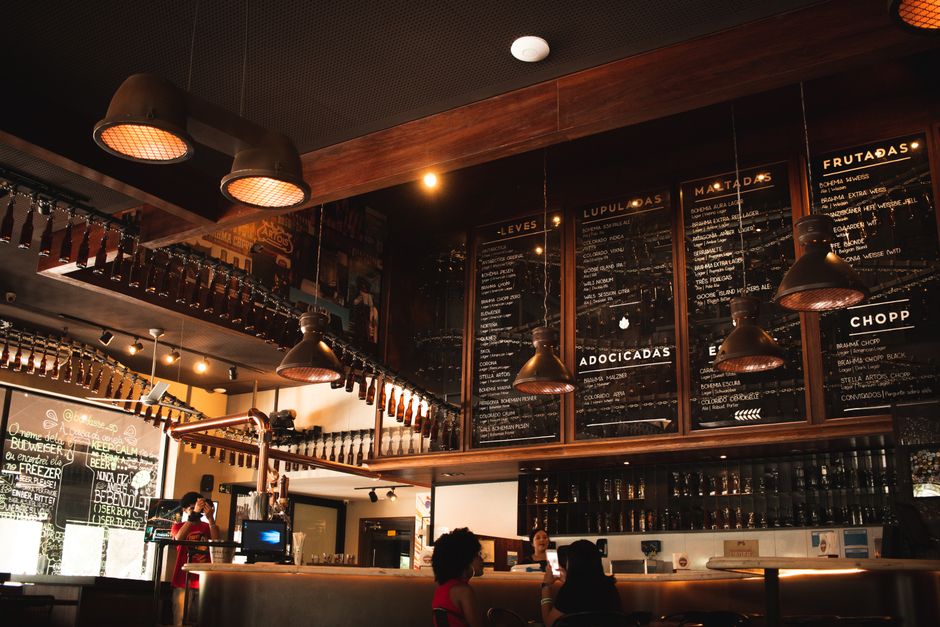
Modern taprooms prioritize creating inviting social spaces rather than just focusing on craft beer. A successful taproom layout includes ample seating, strategic lighting, and clear zones for socializing, games, and dining. This setting encourages patrons to stay longer and return more frequently.
Integrating food pop-ups fits perfectly into this model. When guests have access to special menus from rotating food vendors, it gives them fresh reasons to visit repeatedly. It also extends the duration of visits because food helps keep energy up and conversation flowing.
The Role of Analog Games as Social Glue
Analog games like trivia nights, board games, cards, and darts remain vital social glue in taprooms. These entertain groups without resorting to loud music or phones. Food pop-ups complement those moments by providing sharable plates or crowd-pleasers ideal for game breaks or casual dining between rounds.
Smartphones: Neither Enemy Nor Distractor
While some critiques paint phones as the “enemy” of socializing, the reality is more nuanced. Smartphones serve as downtime entertainment, helping guests navigate unfamiliar menus, check upcoming event schedules, or even make mobile deposit casino bets for a fun side activity. They also offer opportunities to capture moments or coordinate meetups.
In venues with food pop-ups, smartphone access becomes particularly helpful:
- Guests can browse the pop-up menu, ask questions via social media, and even pre-order items.
- Mobile payments streamline ordering and tipping for guest vendors who often work with limited staff.
- Checking brewery collaborations and event calendar updates keeps patrons informed about upcoming pop-ups or trivia nights.
Why Food Pop-Ups Matter for Repeat Visits
The biggest advantage of hosting guest vendors with limited time menus is that they serve as repeat-visit drivers. Regular customers are always on the lookout for fresh experiences. Knowing that a new food pop-up arrives every month, for example, turns a one-time visit into a recurring event.
Venues benefit by boosting weekday traffic or filling idle weekend hours without the overhead of a full kitchen. It also opens doors for more diverse food options, attracting guests who might not otherwise visit just for beer.
Benefit Description Fresh Offerings Rotating menus keep the food experience exciting and timely. Customer Retention New pop-ups give reason to revisit beyond just the beer. Community Building Local vendors create a neighborhood vibe and cross-promotion. Operational Flexibility Low-risk testing ground for new culinary ideas without permanent investment.Examples of Successful Brewery Collaboration Models
Here are some common ways breweries incorporate food pop-ups to great effect:
- Weekend-Only Guest Vendors: Many taprooms invite food trucks or pop-up booths for Friday–Sunday service, creating a mini food market vibe.
- Themed Pairing Nights: Breweries team up with vendors who craft dishes highlighting a particular beer style or seasonal ingredient.
- Event-Driven Food Pairings: Trivia nights, live music weekends, or special beer releases incorporate corresponding food specials from pop-ups.
- Rotating Monthly Guest Spot: Change the menu every month with a new vendor, keeping the culinary scene fresh and guests intrigued.
Conclusion
When a venue offers a food pop-up, it means they’re investing in a dynamic guest experience by bringing in guest vendors and limited time menus that keep the atmosphere fresh and socially engaging. Collaborations with breweries leverage each other’s strengths, provide flexible food options, and encourage repeat visits.
Taprooms thrive as social destinations night out ideas with friends when they balance good beer, inviting seating, fun analog games, and thoughtful food offerings — all supported by the realistic use of smartphones for information and downtime entertainment. Food pop-ups fit neatly into this ecosystem, acting as culinary catalysts that enhance the night out without overshadowing the craft beverages or organic social interactions.
The next time you see a food pop-up at a brewery or taproom, consider it an opportunity to try something new, connect over a shared limited edition menu, and enjoy a well-rounded night out that goes beyond just drinking.