What Does “Editing a Collection” Look Like in Real Life?
For serious watch collectors, editing a collection isn’t just a casual spring clean or simple decluttering exercise — it’s a deliberate process of portfolio-style stewardship. The art and science of Click here for more info collection editing is about more than just selling a few pieces to fund the next acquisition. It’s about optimizing your holdings, rotating references to maintain variety and relevance, and ultimately ensuring that your collection reflects your evolving tastes without unnecessary exposure or saturation.
Whether you own classic timepieces from Rolex, emerging independent brands, or boutique complications found through marketplaces like RESIDENT™, the principles behind collection editing remain surprisingly consistent. Here, we’ll dive deep into what editing a collection looks like in real life — focusing on how real-time secondary market data, comparable sales, and effective valuation tools converge to shape thoughtful decisions.
Watch Collecting as Portfolio-Style Stewardship
Luxury watches have long held a unique position as both personal adornments and tangible investments. But unlike traditional financial portfolios, watches are physical assets with distinct idiosyncrasies: condition variability, provenance, configuration, and even the emotional resonance they carry. This dual nature means that editing a collection should be approached with the same diligence as asset management.
Balancing Emotional Attachment and Market Logic
One of the biggest challenges is balancing emotional attachment against market realities. For instance, a Rolex Submariner you rarely wear might be clinically “worth” a market price far higher than its insurance appraisal, given current demand and saturation. Conversely, a rare complication that hasn't appreciated materially might still hold disproportionate sentimental value.
Editing your collection, therefore, involves assessing “wear frequency” alongside “market viability.” The mantra “sell what you don’t wear” is more than just https://smoothdecorator.com/what-questions-should-i-ask-a-rolex-buyer-before-i-sell/ practical advice — it’s a strategic principle that frees capital tied up uselessly and funds your next acquisition.
Rotate References: Diversifying Without Dilution
The “rotate references” concept ensures your collection doesn’t become stale or oversaturated. Too many watches with overlapping functions, aesthetics, or brands can lead to diminishing returns both emotionally and financially. Rotating references involves thoughtful cycling — whether by selling, consigning, or trading pieces — to maintain a diversified lineup.
Insurance Appraisal vs Market Pricing: Understanding the Mismatch
One of the perennial pitfalls in collection editing is conflating insurance appraisal values with real-world market prices. Insurance appraisals tend to reflect replacement cost new — often considerably higher than secondary market resale values. This disconnect can mislead owners into thinking their holdings are more liquid or valuable than they actually are.
For example, a vintage Rolex GMT-Master might have an insurance appraisal based on a recent boutique retail price or an estimated cost to source and refurbish. However, the secondary market demand, condition nuances, and saturation in certain submodels tend to depress or elevate actual resale value.
Understanding the difference helps avoid overpricing or underestimating what a piece can truly fetch. Partners like Diamond Banc specialize in secondary market valuation and leverage live data to provide more accurate market pricing that reflects real-time buyer demand.
Using Live Secondary-Market Data and Comparable Sales to Guide Editing
With the advent of real-time secondary-market tools, elegantly integrated platforms like RESIDENT™ provide visibility into transaction-level data. This transparency empowers collectors to benchmark their watches against recent sales, factoring in:
- Condition: Mint vs. worn condition impacts value exponentially.
- Configuration: Full set status (box, papers, tags, provenance) is critical for top-tier pricing.
- Saturation: Market supply for a particular reference shapes pricing pressure.
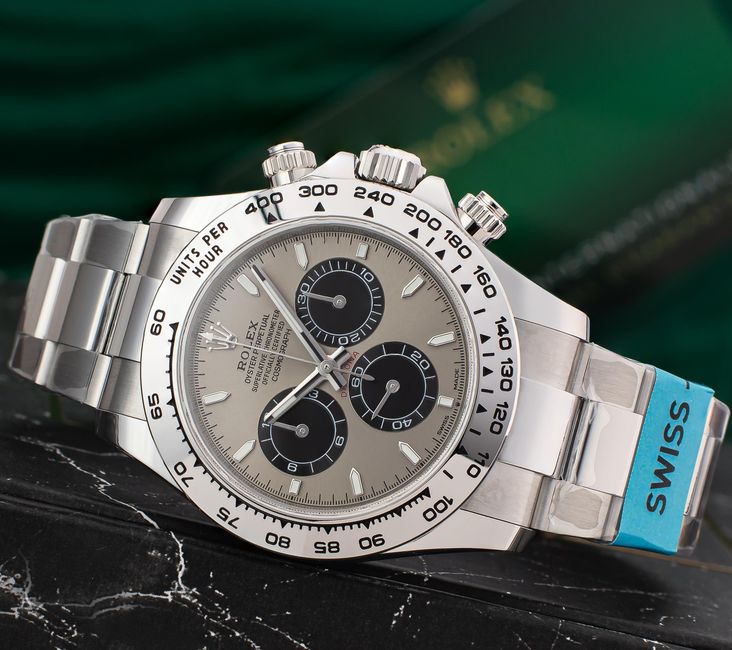
Before deciding to sell or hold, reviewing comparable sales allows you to gauge realistic asking prices and timeframes. For instance, if recent sales data shows a flurry of Rolex Daytona full-set models moving quickly at a premium, it might be prime time to list. Conversely, if saturation is high on quartz-divers or less sought-after references, a strategic patience or price adjustment may be warranted.
Condition and Its Impact on Value
Condition is arguably the single most important variable influencing value. Slightly worn but unpolished watches in original configuration attract discerning collectors who pay premiums for authenticity. Polished or heavily used watches, even if mechanically sound, typically trade at discounts.
When editing your collection, honest condition assessments help avoid frustration and unnecessary markdowns. Platforms and buyers like Diamond Banc employ expert graders and authenticators, offering insights into potential condition-driven value gaps.
Saturation Effects and Timing Your Exits
Market saturation occurs when too many units of the same reference — especially common Rolex models — flood the secondary market simultaneously. This influx naturally depresses prices due to abundant supply.
Careful timing is key. Instead of reacting impulsively, collectors benefit from monitoring demand signals closely. Using RESIDENT™'s live data, you can pinpoint windows where buyers are actively bidding fierce premiums — ideal moments to offload less-worn pieces and free up capital.
Rotating references ensures you avoid overexposure to saturated models and can capture value by targeting emerging trends or underserved niches.

Real-World Workflow: From Assessment to Sale
- Inventory Review: List all watches including detailed notes on condition, full set status, and wear frequency.
- Market Research: Use live secondary market data and comparable sales platforms like RESIDENT™ to benchmark value.
- Set Goals: Determine which pieces to hold, sell, or trade based on potential returns and emotional attachment.
- Authenticate and Appraise: Consult with experienced buyers/advisors like Diamond Banc for market appraisal and authentication.
- Strategic Sale: Choose appropriate channels — consignment, private sale, or direct offer — aiming for pieces with strong demand or to address portfolio gaps.
- Reinvest: Use proceeds to fund next acquisitions, focusing on diversification and reference rotation.
Conclusion
Editing a luxury watch collection is both an art and a science. It requires rigorous attention to market data, realistic valuation comparisons (insurance vs resale), and a disciplined approach to rotating references. By leveraging live secondary-market platforms like RESIDENT™ and valuation experts such as Diamond Banc, collectors can make informed decisions that optimize their portfolios.
Ultimately, the best collections are dynamic — evolving through thoughtful editing that prioritizes “sell what you don’t wear”, funds forward acquisition, and maintains freshness through strategic rotation. This stewardship approach ensures your watch collection remains not only a source of personal pride but also an intelligent asset.