I Want a Quiet Leather Look With No Big Logo—What Should I Buy?
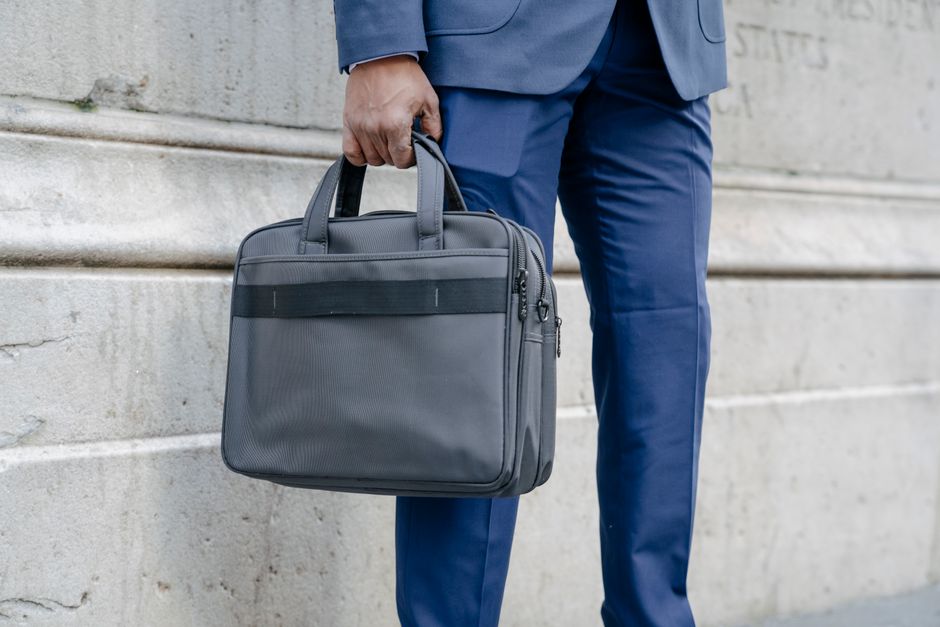
If you want a polished, leather-forward bag without a conspicuous logo, shop for the details that show up in a meeting room rather than across an airport terminal: restrained hardware, clean lines, a structured shape, and a small or debossed logo. The right choice is an executive leather bag that looks deliberate without feeling flashy—and that fits your actual laptop without turning every commute into a shoulder workout.
My shortlist starts with three brands: Von Baer for a refined, understated leather briefcase; Tumi for practical organization and understated options in leather or technical materials; and Briggs & Riley for business-first construction and travel utility. Before comparing appearances, check two unglamorous specs: empty weight and usable laptop-compartment dimensions. A beautiful bag that is too heavy before you pack it, or too tight for your computer, is a poor buy.
Start With the Logo, Shape, and Finish
“No big logo” does not have to mean anonymous or plain. Look for a logo that is blind-stamped or debossed into the leather, placed discreetly inside, or small enough that it does not dominate the front panel. Search terms such as debossed logo only and minimal branding briefcase can help narrow the field, but inspect product photos closely: a small wordmark can still be paired with oversized zipper pulls, bright metal plates, or a repeated monogram pattern.
For a boardroom, shape matters as much as branding. A structured briefcase keeps its outline when set beside a chair, protects documents from being crushed, and looks composed when carried into a client meeting. A softer messenger bag can feel more relaxed and comfortable on foot, but may slump when lightly packed. Neither is automatically better; choose based on how often you carry paper, a laptop, chargers, and other gear together.
- For a formal office: Choose a structured silhouette, low-contrast stitching, and dark brown, black, or deep navy.
- For a modern business-casual office: A softer leather briefcase or leather-trimmed nylon bag can look polished without feeling traditional.
- For quiet branding: Check the front, sides, hardware, lining, and detachable accessories—not just the main logo.
My Shortlist: Three Brands to Compare
Von Baer: A leather-first, understated look
Von Baer is the most direct fit if you want a leather bag to be the visual focus and prefer branding that does not announce itself. The Von Baer City Large Leather Laptop Bag is a premium-price example at $1,795. The brand never runs sales or discounts, per the article; treat that as a reason to buy only after confirming the fit, finish, and return terms—not as a reason to skip comparison shopping.
Before ordering, verify the laptop compartment’s internal width, height, and depth, and ask whether those measurements account for padding and seams. “Large” in a product name is not a laptop specification. Also look for a published empty weight and lining material. I do not praise a bag for being travel-ready until I know how much weight it adds before you put anything in it. If either detail is missing, ask the company directly.
Tumi: Organization and material choice
Tumi offers business bags in leather as well as technical fabrics, so it is worth considering if you want work-focused organization and a choice of visual styles. The brand’s designs can include recognizable hardware or brand details, though the amount varies by model. Inspect the exact bag rather than assuming every Tumi briefcase has the same look.
Count the compartments you will actually use: a padded laptop sleeve, a separate document section, a secure pocket for a passport or wallet, and a place for chargers can be useful. Several small slip pockets are not automatically better. Compare the empty weight across the leather and fabric versions, and check the laptop compartment measurements against your own computer.

Briggs & Riley: Business utility and travel practicality
Briggs & Riley is a sensible comparison if your briefcase is part of a weekly travel routine. Its business bags emphasize organization and travel-friendly features, and the lineup includes different materials and silhouettes. Look at the particular model’s branding and front profile: the right version can read as professional and restrained, but a utilitarian layout may look less formal than a clean leather briefcase.
For frequent flights, consider how the bag carries alongside your roller, whether it has a pass-through sleeve, and whether its packed shape will fit where you need it to go. Those features are useful only if they do not add bulk or unnecessary weight. As with the other brands, confirm the empty weight, lining, and laptop sleeve dimensions for the exact model.
Measure the Laptop Fit—Don’t Shop by Screen Size
A laptop advertised as “16 inches” is not a standardized rectangle. Screen size is measured diagonally, while the laptop’s exterior width, height, and thickness depend on its design. Two 16-inch machines can have meaningfully different dimensions. A snug compartment can also be harder to use when it has thick padding, a zipper curve, or a narrow opening.
- Measure your laptop itself: Record its maximum width, height, and thickness, including any case or shell you plan to keep on it.
- Compare internal compartment dimensions: Look for width, height, and depth—not just a claim that the bag “fits a 16-inch laptop.”
- Check the opening: A compartment may be roomy inside but difficult to use if the zipper opening is narrow or blocked by a seam.
- Allow practical clearance: Leave a little room for easy insertion and removal, especially if you use a protective sleeve.
- Confirm the return policy: If the brand does not publish usable measurements, test the fit at home while keeping the bag in returnable condition.
Also consider what shares the main compartment with the laptop. A charger brick, notebook, and document folder can press against a computer from the side. A dedicated padded sleeve helps, https://smoothdecorator.com/von-baer-city-large-worth-1795-or-just-a-flex/ but it does not make an overstuffed bag risk-free.
Empty Weight Is Part of the Comfort Spec
Leather can look quiet and feel substantial, but the material and construction often make a bag heavier than a comparable fabric briefcase. That matters on a long terminal walk or during a full day of carrying the bag between meetings. The weight printed on a product page is the starting load, not the total you will carry once you add a laptop, charger, water bottle, and documents.
Compare empty weights before you fall for a finish. If two bags provide similar protection and capacity, the lighter one may be the more comfortable daily choice. Then check the strap: a wider, padded strap spreads pressure better than a narrow one, while a top handle is useful for short carries but can tire your hand over time. A removable shoulder strap is not a benefit if it is thin, slips off your shoulder, or adds hardware you do not need.
Brands do not always make weight easy to find, and some product listings omit it altogether. That https://highstylife.com/is-4-4-lb-empty-weight-a-dealbreaker-for-a-travel-briefcase/ is a real comparison problem, not a trivial spec gap. If the listing is silent, ask for the empty weight and confirm whether it includes the shoulder strap. Also ask about the lining: material and construction affect how the interior feels and wears, and the lining should be clearly identified rather than hidden behind vague wording.
Leather, Ballistic Nylon, Cordura, or Twill?
Material choice changes the look, care routine, weight, and everyday feel. Leather grades and textile names can also be confusing, so read the specific product description rather than relying on a label alone.
Material Look and feel What to weigh in the decision Full-grain leather Natural surface character; can develop a patina over time Often the strongest match for a classic, boardroom-ready leather look. Ask about finish, care, construction, and empty weight. Ballistic nylon Technical, smooth, and usually less traditional than leather Can be a practical choice for frequent travel, but check the exact fabric, bag weight, and whether the styling suits your office. Cordura Durable textile family used in bags and other gear “Cordura” identifies a material brand or fabric family, not one universal weight or construction. Check the actual fabric specification. Twill Diagonal weave that can look softer and less technical Twill describes a weave, not a guarantee of durability or weight. Ask what fiber is used and how the fabric is finished.For background reading, see Wikipedia’s references on leather grades, ballistic nylon, and denier. Treat these as starting points for understanding terminology, not as substitutes for a brand’s specification sheet. Denier is a measure related to yarn linear mass; a higher denier number alone does not tell you how a finished bag will perform. Weave, coatings, construction, and use all matter.
Check Airline Dimensions Before Calling It a Personal Item
A work briefcase may be small enough to carry on, but that does not automatically make it a personal item under every airline’s rules. Check the airline’s current measurements, then compare them with the bag’s outside dimensions—including handles, feet, and any bulging pockets. A structured leather briefcase may not compress into a sizer the way a soft-sided bag can.
If you fly Southwest, consult the Southwest carry-on baggage policy page before travel. Policies and enforcement details can change, so use the airline’s current page rather than relying on an old packing guide. Pay particular attention to the distinction between a carry-on and a personal item; your briefcase and roller may need to fit different rules and spaces.
What I’d Buy
If the main priority is a quiet, polished leather look, start with a structured leather briefcase with a small debossed mark, restrained hardware, and enough room for your measured laptop. The Von Baer City Large Leather Laptop Bag is one premium option to investigate at $1,795, but confirm its actual weight, lining, dimensions, and return terms before committing.
If you want more technical organization or a fabric alternative, compare specific Tumi and Briggs & Riley models alongside it. Do not compare a leather bag with a nylon one on appearance alone: compare usable pockets, protection, empty weight, travel features, and whether the silhouette suits your meetings.
- Choose full-grain leather when the boardroom look and long-term character matter most.
- Choose ballistic nylon or Cordura when travel practicality and a less delicate exterior are higher priorities.
- Choose twill when you want a softer textile appearance, after confirming the fiber and fabric details.
- Buy only after verifying laptop dimensions, empty weight, lining material, and airline fit.
The best minimal-branding briefcase is not the one with the quietest logo on the product photo. It is the one that fits your laptop in real life, carries comfortably when full, looks composed in a client meeting, and tells you plainly what it weighs and what it is made of.